
Orthodontics (Traditional Braces)

Crooked teeth and bite problems don’t always hurt, but they quietly affect how you eat, how you speak, and how you feel about your smile every single day. Maybe you’ve been brushing around the same crowded spots for years, or your jaw aches after long meals, and you’re realizing these things aren’t going to fix themselves.

Dr. Robert F. Murray, DDS, has helped patients of all ages address these exact concerns through traditional braces, one of the most proven and effective orthodontic treatments in dentistry. At Ocean Valley Dental, the goal isn’t just straighter teeth; it’s giving you a smile that actually works better for you long-term.

Request Appointment

Dentist Aliso Viejo

How Traditional Braces Actually Work

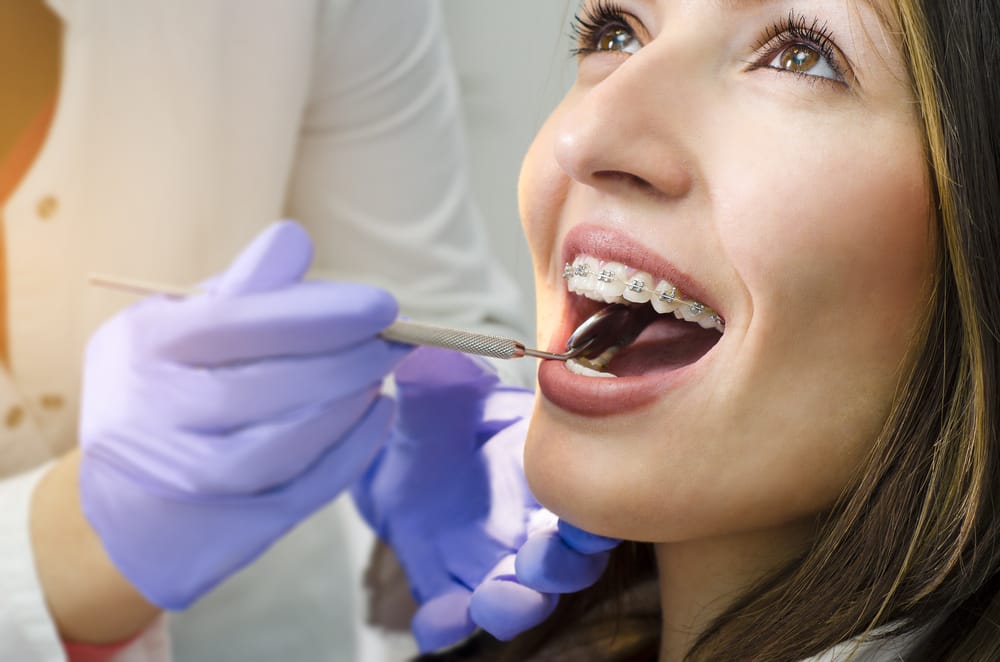
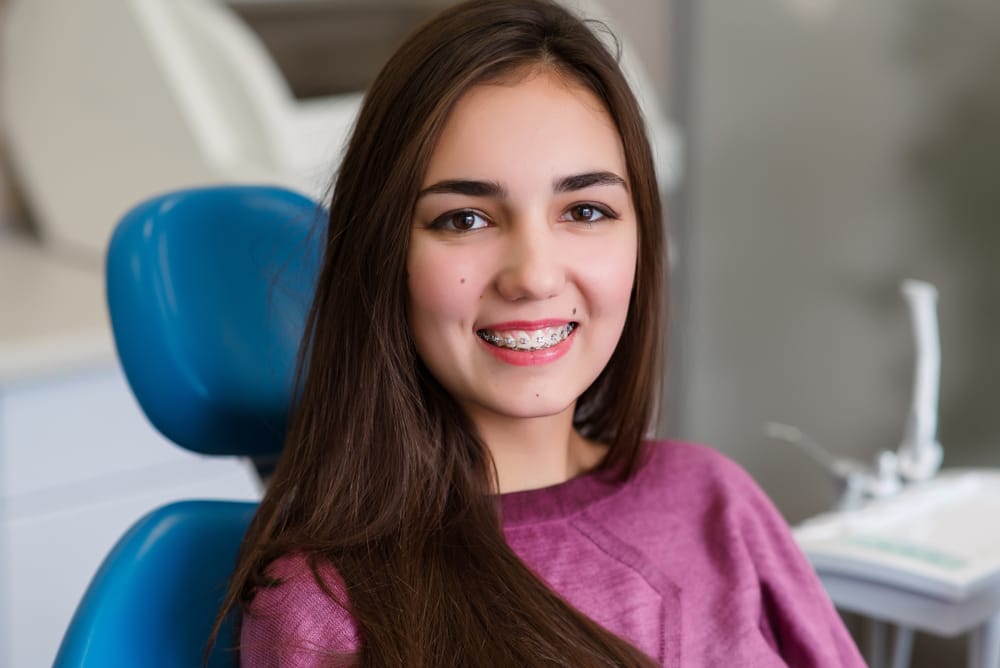
Traditional braces use metal brackets bonded directly to your teeth, connected by a thin wire that applies steady, gentle pressure over time. That pressure is what causes your teeth to shift, not quickly or forcefully, but gradually, the way your bone and tissue naturally respond to consistent movement. Think of it like slowly bending a green branch rather than snapping a dry one.

Your orthodontist adjusts the wire tension at each visit to guide each tooth precisely where it needs to go. This level of control makes traditional braces particularly effective for complex alignment issues, severe crowding, bite correction, and cases where individual teeth need precise rotation or vertical movement that other options can’t reliably achieve.

Benefits of Orthodontics

Easier Cleaning Where It Counts

Overlapping and crowded teeth create spaces that a toothbrush simply can’t reach. Food particles and bacteria hide in those gaps, increasing your risk of cavities and gum disease over time. Once your teeth are properly aligned, brushing and flossing become far more effective, which means fewer fillings, healthier gums, and less time in the dental chair down the road.

A Bite That Actually Functions the Way It Should

When your teeth don’t meet evenly, chewing puts uneven stress on certain teeth and your jaw joints. Over time, this leads to worn enamel, jaw soreness, and sometimes headaches that seem unrelated to your mouth. Correcting your bite with braces distributes that chewing force evenly, reducing strain on your jaw muscles and allowing your digestive system to do its job properly when food is chewed thoroughly.

Less Risk of Tooth Injury Down the Road

Protruding or misaligned teeth are more exposed and far more likely to chip or break during everyday activity, not just sports. Moving those teeth into proper alignment within your natural bite pattern offers real, lasting protection. This is especially relevant for active teens and adults who want to reduce the chance of costly dental repairs later.

Clearer Speech Without the Self-Consciousness

Certain alignment issues like gaps, crowding, or bite problems can affect how you produce specific sounds, sometimes causing a lisp or difficulty with consonants. As your teeth shift into alignment, your tongue and lips can move more naturally during speech. Many patients notice the improvement gradually and find they feel more confident speaking in meetings, social situations, or in front of groups.

Reduced Jaw Discomfort Over Time

Misaligned teeth often force your jaw joints to compensate every time you bite down, which adds up to significant strain over the years. Traditional braces correct the underlying bite irregularity so your jaw closes in a balanced, supported position. This can reduce clicking, popping, or achiness in the jaw joints, symptoms that many people assume are just something they have to live with.

Why Trust Ocean Valley Dental for Traditional Braces

Traditional braces deliver the most predictable results when the person placing and adjusting them has genuine experience with complex cases. Dr. Robert F. Murray, DDS, brings that depth of experience to every orthodontic patient, supported by a team of five dental hygienists who specialize in helping patients maintain healthy teeth and gums throughout treatment, because keeping your mouth healthy during braces is just as important as straightening your teeth.

The practice also has in-house lab capabilities, which means custom appliances can be fabricated quickly when needed, without the delays that come with outside labs. That directly translates to fewer disruptions to your schedule and, in many cases, a shorter overall treatment time.

Let’s Talk About What Braces Can Do for You!

Straight teeth aren’t just about appearances; they affect how you chew, how you clean your teeth, and how your jaw feels for the rest of your life. The sooner alignment issues are addressed, the simpler and more effective treatment tends to be. Dr. Robert Murray takes time with every patient to explain what’s happening with their bite and what realistic outcomes look like, so you’re never left making decisions without a clear picture.

Browse real patient results on our Facebook page to see the kind of work the team at Ocean Valley Dental delivers, or call 949-831-4655 to schedule your consultation and take the first step toward a smile that works as good as it looks.

Request Appointment

Dentist Aliso Viejo

FAQs

What is orthodontics?

Orthodontics is the area of dentistry focused on diagnosing and correcting misaligned teeth, crowded teeth, and bite problems. It goes beyond aesthetics; proper tooth alignment directly affects how you chew, speak, and maintain your oral health over time. During your consultation, Dr. Murray will walk you through exactly which orthodontic concerns apply to your situation and what treatment would work best for you.

Why is orthodontic treatment necessary?

Misaligned teeth and bite problems don’t stay the same; they tend to worsen gradually, leading to uneven enamel wear, increased cavity risk, jaw strain, and sometimes more complex dental issues down the line. Treating these problems earlier is almost always simpler and less costly than waiting until they’ve progressed. We find that once patients understand the long-term impact of untreated alignment issues, the decision to move forward with treatment makes a lot more sense.

What is considered orthodontic services?

Orthodontic services include any treatment designed to correct the position of your teeth and the alignment of your bite. Traditional braces, retainers, and other appliances that guide tooth movement all fall under this category. The right service depends on the complexity of your case, your lifestyle, and your specific goals. Bring your questions to your first appointment and we’ll help you understand exactly which options make sense for you.

How much do braces cost?

The cost of traditional braces varies depending on the complexity of your case, how long treatment takes, and what additional appliances may be needed. Most dental insurance plans include some orthodontic coverage, and flexible payment options are typically available to make treatment more manageable. The best way to get an accurate number is to schedule a consultation so we can evaluate your specific situation and give you a clear breakdown of costs.

Do braces hurt?

There’s typically some soreness for a day or two after brackets are placed and after each adjustment appointment, as your teeth are under new pressure and your mouth needs time to adapt. It’s generally mild and manageable with over-the-counter pain relief if needed. Most patients find that the discomfort fades quickly and becomes less noticeable as treatment progresses.

How do braces work?

Braces work by applying gentle, constant pressure to your teeth through metal brackets bonded to each tooth and a wire threaded between them. As your teeth respond to that pressure, the surrounding bone gradually remodels to allow the teeth to shift into new positions. Your orthodontist adjusts the wire tension at each visit to keep that movement progressing toward the final alignment goal, a controlled, gradual process that works with your body’s natural ability to adapt.