
Advanced Technology With An In-House Lab, 3D Printed Crowns, And Cone Beam Computed Tomography (CBCT)

Most people don’t think much about dental technology until they’re sitting in the chair, wondering why a crown takes two weeks to arrive or why their dentist can’t give them a clear answer about what’s happening beneath the gumline. Those delays and diagnostic gaps are real frustrations, and they often lead to more appointments, longer waits, and treatments that feel like a guessing game.

Dr. Robert F. Murray, DDS, and the team at Ocean Valley Dental have built a practice around solving exactly those problems by using an in-house lab, 3D printed crowns, and CBCT imaging to give patients faster, more accurate, and more comfortable dental care from start to finish.

Request Appointment

Dentist Aliso Viejo

How In-House Labs, 3D Printed Crowns, and CBCT Work Together

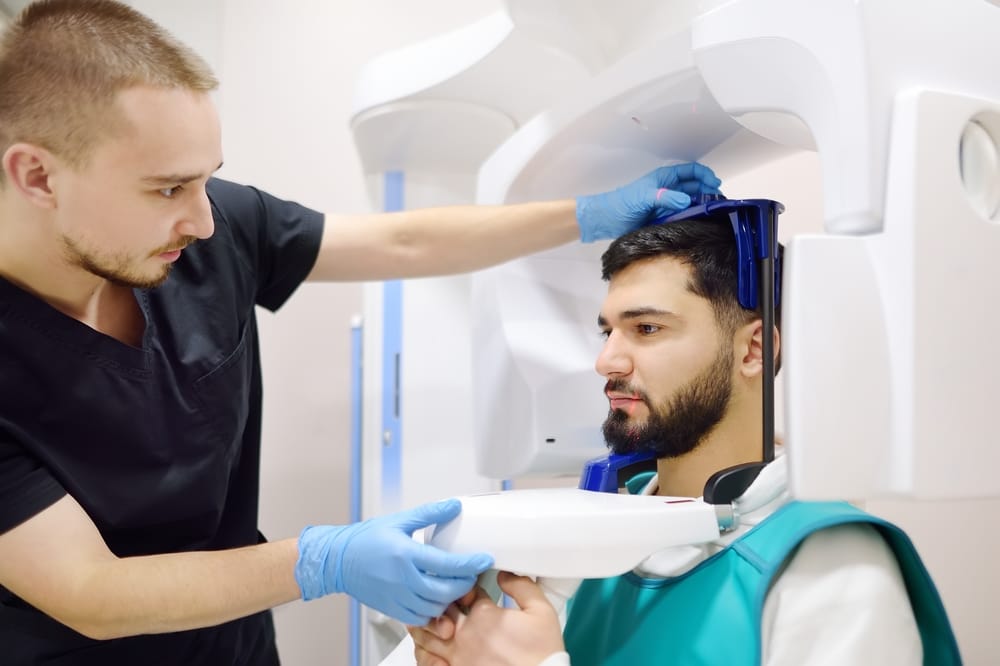
Think of traditional dental care like ordering a custom part from a distant warehouse. You wait, hope the measurements were right, and come back later to find out. This integrated approach to dental technology changes that completely. Cone Beam Computed Tomography (CBCT) takes a full three-dimensional scan of your teeth, bone, and nerve structures, giving your dentist a detailed map of everything happening in your mouth that a standard X-ray simply can’t show.

That data feeds directly into design software, where your crown or restoration is planned digitally before being manufactured on-site using 3D printing. The result is a treatment process where every step connects to the next, with less back-and-forth, fewer surprises, and restorations built specifically for your mouth.

Benefits of Advanced Dental Technology Integration

Same-Day or Next-Day Restorations Without the Waiting

One of the most practical advantages of in-house 3D printing is what it does to your schedule. Instead of wearing a temporary crown for weeks while your case travels to an outside lab, many restorations can be completed in a single visit or within a few days. That means fewer times you need to take time off work, arrange childcare, or sit through a second numbing appointment. You get a permanent solution faster, without cutting any corners on quality.

A Complete Picture Before the First Drill

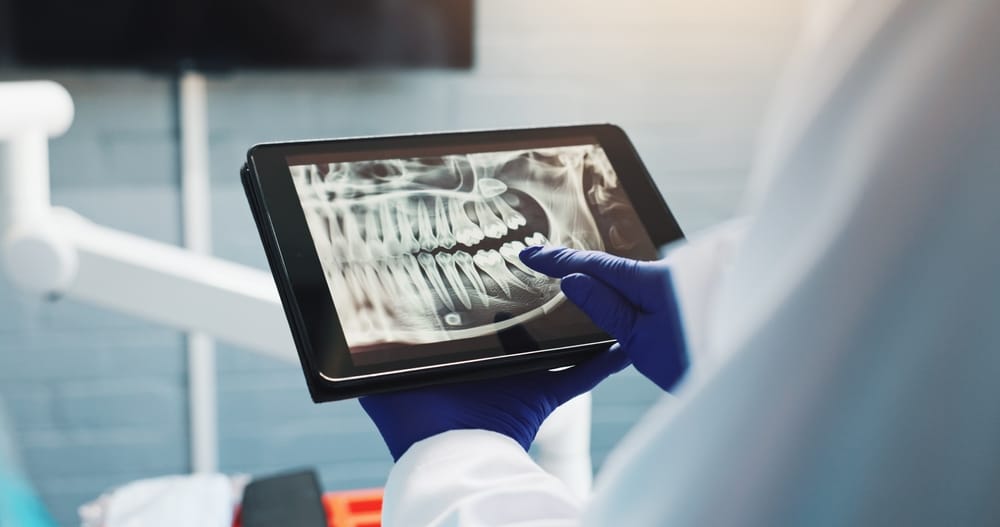
CBCT imaging shows your dentist the exact position of nerves, the density of your jawbone, and the three-dimensional relationship between your teeth and surrounding structures — details that are invisible on traditional flat X-rays. This level of clarity matters most for complex procedures like implant placement or root canal treatment, where a millimeter of precision can change the entire outcome. Catching problems early, and seeing them fully, often means less invasive treatment and better long-term results.

Restorations That Fit the First Time

Digital scanning removes a lot of the guesswork involved in creating a crown or bridge. Traditional impression materials can distort slightly during the molding or shipping process, and those small differences add up when something needs to fit inside your bite precisely. Because the design goes directly from a digital scan to an in-house printer without passing through multiple hands, the final restoration fits more accurately, feels more natural, and typically needs fewer chair-side adjustments.

Fewer Appointments for Complex Procedures

Patients who need multiple restorations or a combination of implants and crowns often face long, fragmented treatment timelines with traditional dental workflows. When imaging, design, and manufacturing all happen under one roof, those steps overlap more efficiently. You’re not waiting on lab schedules or dealing with communication delays between your dentist and an outside facility. Complex cases that once required five or six appointments can often be completed in significantly less time.

Clearer Conversations About Your Treatment

Three-dimensional images make it much easier to understand what your dentist is recommending and why. Rather than trying to visualize a problem from a flat X-ray, you can see an actual cross-section of your tooth, bone level, or nerve position on screen. This helps you ask better questions and feel confident in the treatment plan before anything begins. When patients can see what their dentist sees, the conversation shifts from uncertainty to informed decision-making.

Why Choose Us

Having individual pieces of advanced technology is one thing; having them fully integrated into every step of patient care is another. Ocean Valley Dental has built a complete in-house ecosystem where CBCT imaging, digital design, and 3D printing work together as a coordinated system rather than separate tools used occasionally. The practice includes specialists in implantology, oral surgery, cosmetic dentistry, and orthodontics who collaborate using shared digital treatment plans, which means your care isn’t siloed between providers.

Five dental hygienists on staff also use diode laser technology for periodontal care, reflecting a practice-wide approach to precision dentistry. Dr. Murray’s team applies this technology most meaningfully to the cases where it matters most — complex restorations, implant planning, and multi-step treatments that require consistency from diagnosis through completion.

Your Next Step Toward Smarter Dental Care Starts Here!

You deserve to walk out of a dental appointment with real answers, a restoration that fits, and a clear picture of what was done and why. Dr. Murray and the team bring together the imaging, design, and manufacturing tools to make that kind of experience the standard, not the exception. If you want to see what that looks like before your first visit, Ocean Valley Dental’s Facebook page has real patient cases worth browsing. And when you’re ready to get started, 949-831-4655 is the number that connects you directly to a team that can actually map out what your treatment involves before you ever sit in the chair.

Request Appointment

Dentist Aliso Viejo

FAQs

How long do 3D printed crowns last?

3D printed crowns made from modern dental-grade materials are built to last, typically performing comparably to traditionally milled or cast restorations — often 10 to 15 years or more with proper care. The precision of digital manufacturing means the crown fits accurately from day one, which reduces the uneven stress that can shorten a restoration’s lifespan over time. Good oral hygiene, regular checkups, and avoiding habits like grinding your teeth will have more impact on longevity than the printing method itself.

What are 3D printed crowns made of?

Most 3D printed dental crowns are made from high-strength ceramic or composite resin materials specifically engineered for use in the mouth. These materials are selected for their ability to withstand chewing forces, resist staining, and blend naturally with surrounding teeth in color and translucency. During your consultation, the team will recommend the best material for your specific tooth location, bite pattern, and aesthetic goals.

Are 3D printed crowns good?

Yes! When designed and manufactured with proper digital workflows, 3D printed crowns are an excellent option for most restorative needs. The advantage isn’t just the material; it’s the accuracy of the process, since digital scans eliminate the distortions that can come with traditional impression materials and outside lab handling. Feel free to ask Dr. Murray about specific cases during your visit — seeing examples of completed restorations is often the most reassuring way to evaluate the quality firsthand.

What is a CBCT scan?

A CBCT scan is a specialized dental X-ray that produces a three-dimensional image of your teeth, jawbone, nerves, and surrounding tissues, rather than the flat two-dimensional pictures you get from standard dental X-rays. The scanner rotates around your head in a single pass, usually taking less than a minute, and creates a detailed digital model your dentist can view from any angle. It’s particularly useful before implant placement, root canal evaluation, or any procedure where the exact position of bone and nerves affects the treatment plan.

How does CBCT improve diagnosis?

CBCT gives your dentist a complete spatial picture of what’s happening inside your jaw, which means hidden problems such as bone loss beneath the gumline, impacted teeth, or nerve proximity to a planned implant site are visible before treatment begins rather than discovered mid-procedure. That advance visibility leads to more accurate planning, fewer surprises during treatment, and a lower risk of complications. At Ocean Valley Dental, CBCT imaging is used selectively for cases where that extra detail genuinely changes the approach, so you’re never scanned just for the sake of it.

How much is a CBCT scan?

The cost of a CBCT scan varies depending on the complexity of the imaging needed and whether it’s part of a broader treatment plan, but it typically ranges from $150 to $500 at most dental practices. In many cases, a portion of the cost may be covered by dental insurance when the scan is medically indicated for a specific procedure. Call Ocean Valley Dental at 949-831-4655 to get specific pricing information and to find out what your plan may cover before your appointment.