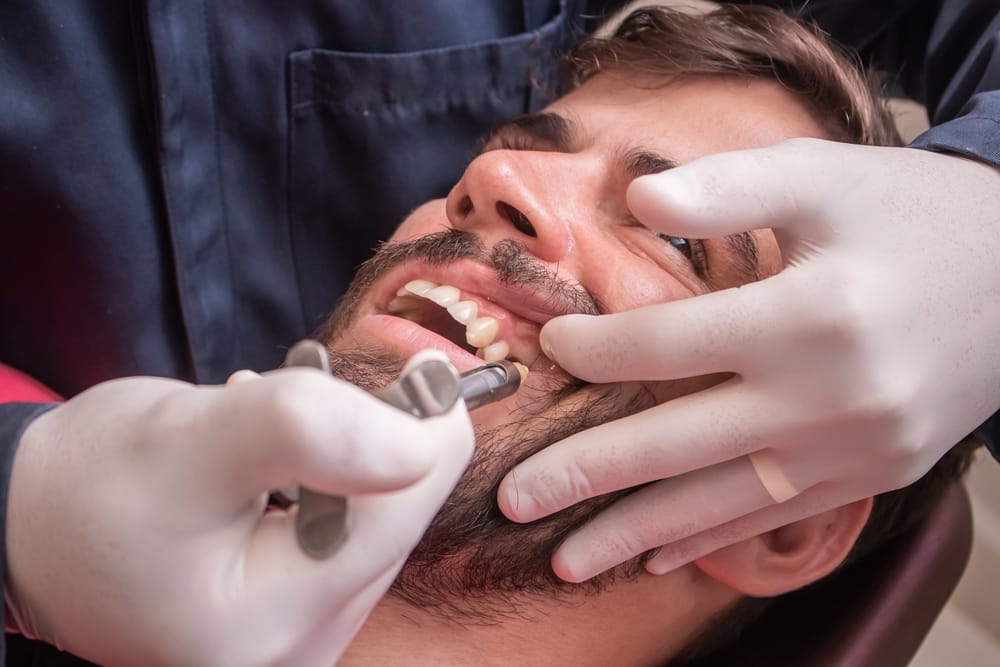

Oral Surgery: Extractions And Bone Grafts

A toothache that keeps you up at night, a cracked tooth that won’t stop throbbing, or a dentist telling you that you’ve lost too much bone to place an implant. These are the moments when oral surgery stops being an abstract concept and becomes something you actually need to understand.

Robert F. Murray, DDS at Ocean Valley Dental takes the time to walk you through exactly what’s happening in your mouth and why surgery may be the best path forward. Not every dental problem can be solved with a filling or a crown, and when conservative options run out, having a surgical team you trust makes all the difference.


Request Appointment

Dentist Aliso Viejo

When a Tooth Can’t Be Saved: The Basics of Extractions and Bone Grafts

Some teeth reach a point where keeping them does more harm than good. A tooth that’s severely decayed, cracked below the gumline, or badly infected can spread bacteria to neighboring teeth and surrounding bone. Extraction removes that threat cleanly and opens the door to proper restoration. Bone grafting addresses the aftermath of tooth loss.

When a tooth is missing, the jawbone in that area gradually shrinks because it no longer has a root stimulating it. A bone graft places material sourced from your own body, a donor, or a synthetic alternative directly into that area to rebuild what’s been lost. Think of it like reinforcing a weak foundation before you build on it again.

Benefits of Oral Surgery

Reduces Your Risk of Neighboring Tooth Loss

When a damaged or infected tooth stays in place too long, the teeth next to it start to suffer. Bone loss spreads, gum tissue deteriorates, and decay can transfer to otherwise healthy teeth. Removing the problem tooth early often means keeping the rest of your natural teeth intact for years longer than you otherwise would.

Improves How You Speak and Chew Daily

Missing teeth and deteriorating jawbone don’t just affect how your smile looks. They change how your mouth functions every single day. You may find yourself avoiding certain foods, speaking less clearly, or unconsciously favoring one side of your mouth. Addressing these issues through extraction and bone grafting restores the mechanical function your mouth was designed to have.

Makes Future Dental Treatments More Predictable

Dental work rarely happens in isolation. Orthodontics, implants, bridges, and even routine cleanings all go more smoothly when your mouth has a healthy structural foundation underneath. Completing necessary extractions and grafting now removes the variables that can complicate or derail other treatments down the line.

Lowers Your Long-Term Dental Costs

Delaying oral surgery tends to turn a straightforward procedure into a much more involved one. What starts as a single extraction can expand into multiple extractions, extensive grafting, or even jaw reconstruction if left unaddressed. Treating the problem at the right stage keeps both the procedure and the recovery more manageable, financially and physically.

Gives You a Clear Path Forward Instead of Ongoing Uncertainty

Living with a tooth that might need to come out, or bone loss that’s slowly worsening, creates a kind of dental limbo that’s mentally exhausting. Once the necessary surgery is completed, you have a defined starting point for whatever restoration comes next. There’s real value in knowing exactly where you stand and having a concrete plan in place.

Why Oral Surgery Is in Good Hands Here

Not every dental practice has the technology or the training to handle oral surgery in-house from evaluation through recovery. The CBCT imaging system at Ocean Valley Dental goes well beyond standard X-rays, giving Dr. Murray a three-dimensional picture that leads to more accurate surgical decisions and fewer complications.

Combined with on-site lab support, the practice can prepare materials, surgical guides, and temporary restorations without sending you to a separate facility or waiting on outside labs. That means fewer appointments, a more connected treatment process, and a surgical team that knows your case inside and out from the very first scan.

Your Path to a Fully Restored Smile Starts Here!

Every week you put off addressing a damaged tooth or deteriorating bone is a week that makes the solution more complicated. The good news is that extractions and bone grafting are well-understood procedures with predictable outcomes, and Dr. Murray has the imaging, the tools, and the experience to handle your case from start to finish. Calling our team at 949-831-4655 is the fastest way to get your consultation on the books before the problem grows. And if you want to see what real patient outcomes look like before you commit, our Facebook page is worth a look.

Request Appointment

Dentist Aliso Viejo

FAQs

What to eat after oral surgery with stitches?

Soft foods are your best option for the first several days. Yogurt, mashed potatoes, smoothies, and broth are all safe choices. Hard or chewy textures can pull at stitches and disrupt clot formation, which slows healing. Most oral surgeons provide a dietary timeline at discharge so you always know what’s appropriate at each stage of recovery.

How soon can I drink coffee after oral surgery?

Most oral surgeons recommend waiting at least 48 hours before drinking coffee after oral surgery. Heat increases swelling and can break down the blood clot protecting your healing tissue, which raises the risk of a painful condition called dry socket. Your specific procedure and how quickly you’re healing will influence the exact timeline, so it’s always worth confirming with your provider.

When can I eat solid food after tooth extraction?

For a routine extraction, most patients can ease back into soft solids within three to five days. More involved procedures, including bone grafting or impacted tooth removal, may require a longer adjustment period of up to two weeks. Every case heals differently, and your oral surgeon will outline a realistic progression based on how your recovery is going.

How long to keep gauze in after tooth extraction?

Keep gauze in place for 30 to 45 minutes after your extraction, applying firm and steady pressure the entire time. Frequently removing it to check slows clot formation and can restart bleeding. If bleeding continues past the first hour, replace the gauze and hold for another 30 minutes. Most dental offices send you home with extras and written instructions for exactly this reason.

What is a dental bone graft?

A dental bone graft is a procedure that rebuilds lost jawbone using bone material from your own body, a donor source, or a synthetic option. Over several months, your body replaces the graft with natural bone tissue, creating a stable base for future implants. It’s one of the most reliable ways to restore jawbone volume after tooth loss, and costs vary depending on the size of the graft and materials used.

How to speed up bone graft healing?

Avoiding smoking, staying hydrated, eating a nutrient-rich diet, and attending all follow-up appointments are the most effective ways to support bone graft healing. Smoking significantly reduces blood flow to the graft site and is one of the leading causes of graft failure. Keeping up with your post-operative care instructions and addressing any concerns early gives your graft the best possible chance of integrating successfully.